
What Are Braces?
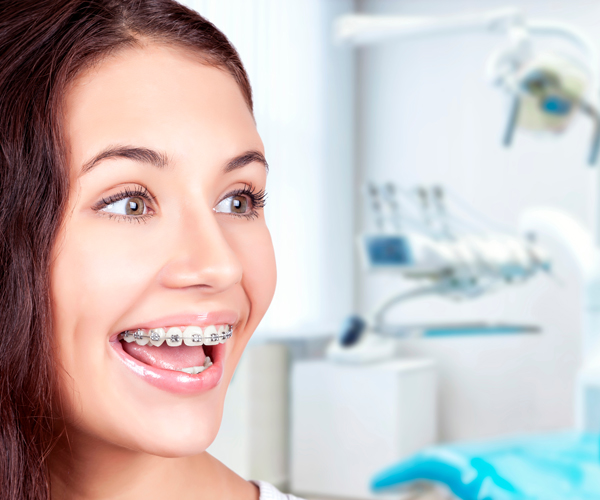
Despite advances in modern technology in today’s high-tech world, braces continue to be the most requested Orthodontic appliance by most patients.
Braces consist of two basic parts: the bracket and the wire, and Dr. Richardson is highly skilled at customizing these two components to optimize treatment outcomes for her patients. She is also highly competent at selecting and combining the best features from the best appliance systems to achieve her signature smiles.
The Bracket
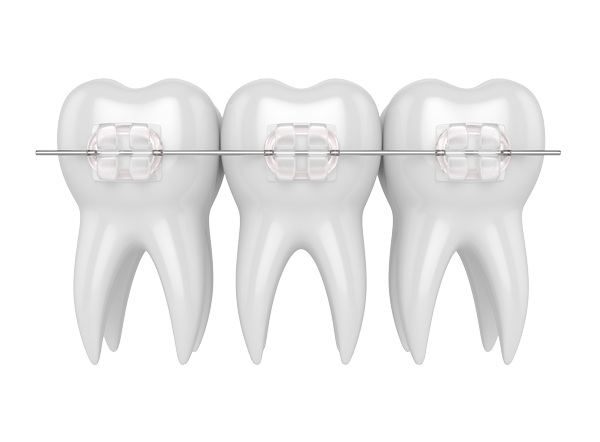
An Orthodontic bracket is the small square attachment bonded to the front of each tooth during braces treatment.
Brackets act like “handles” that hold the Orthodontic wire in place, and this is what guides teeth into their ideal positions.
Each bracket is carefully positioned to control the direction and movement of every tooth. Brackets can be made from different materials, including:
- Metal Brackets — durable and most common
- Clear Brackets — tooth-colored for a more discreet appearance
- Self-Ligating Brackets — use a small built-in clip instead of elastic ties

She is also proud to offer her patient family Speed brackets which were developed by a Canadian and are manufactured here in Canada. Although she is proficient in self-ligating Speed mechanics, Dr. Richardson also values traditional braces for their versatility, precision, and consistently excellent outcomes.
The Wire
Working together with the brackets, the archwire gently applies pressure to move teeth in a safe and controlled way. Our office maintains a huge inventory of wires that come in different archforms, dimensions, alloys, and shapes. Throughout treatment, different types of wires may be used at different stages: some wires are more flexible and comfortable for the early stages of alignment, while others are stronger and more precise for fine-tuning your bite and smile later in treatment. Additional components, such as elastic ties, springs, and rubber bands, may also be attached to your braces to help close spaces, create room, or improve bite alignment. Together, these parts work as a system to gradually create a healthy, balanced, and beautiful smile.

Before & After Braces
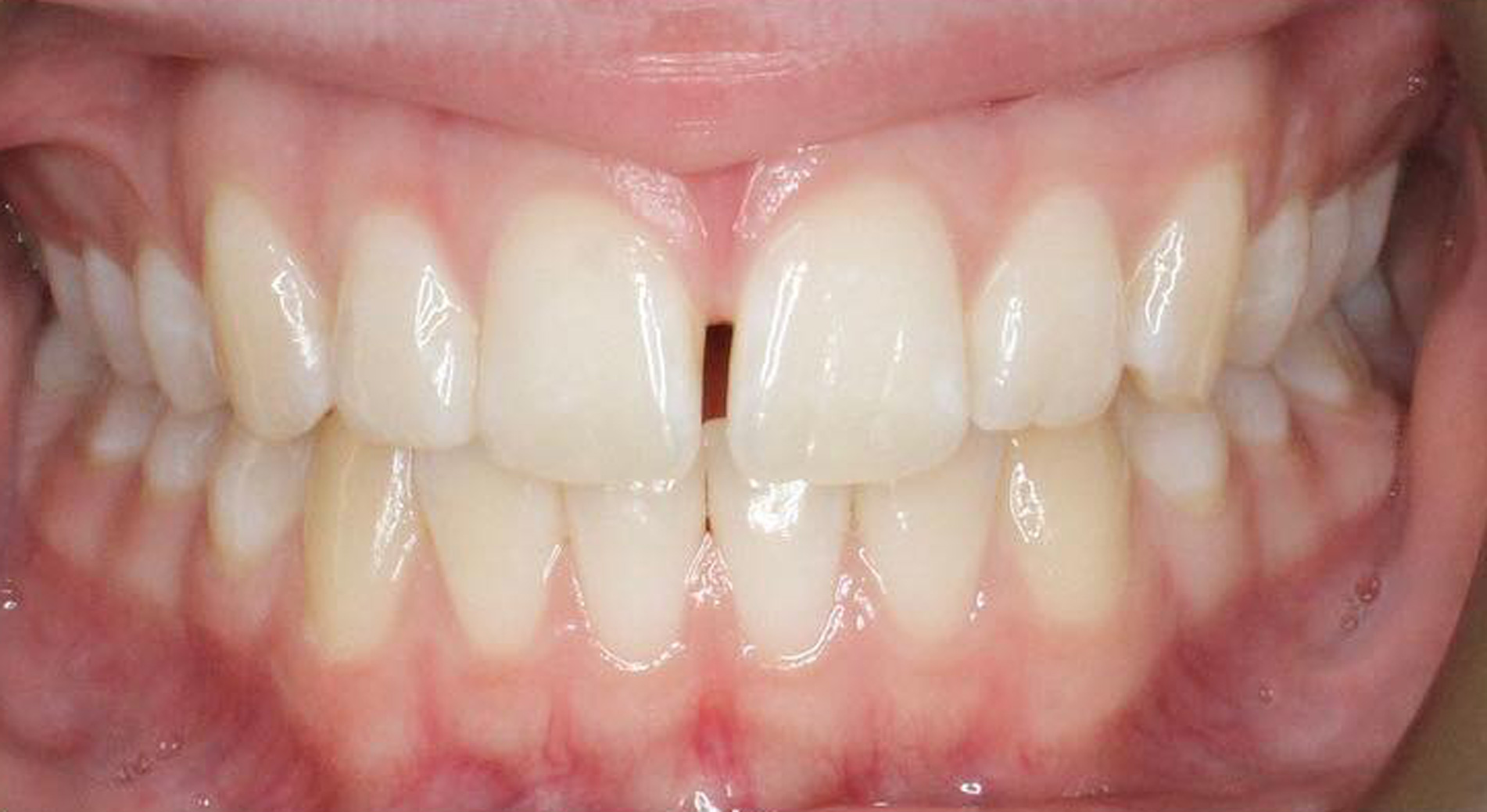
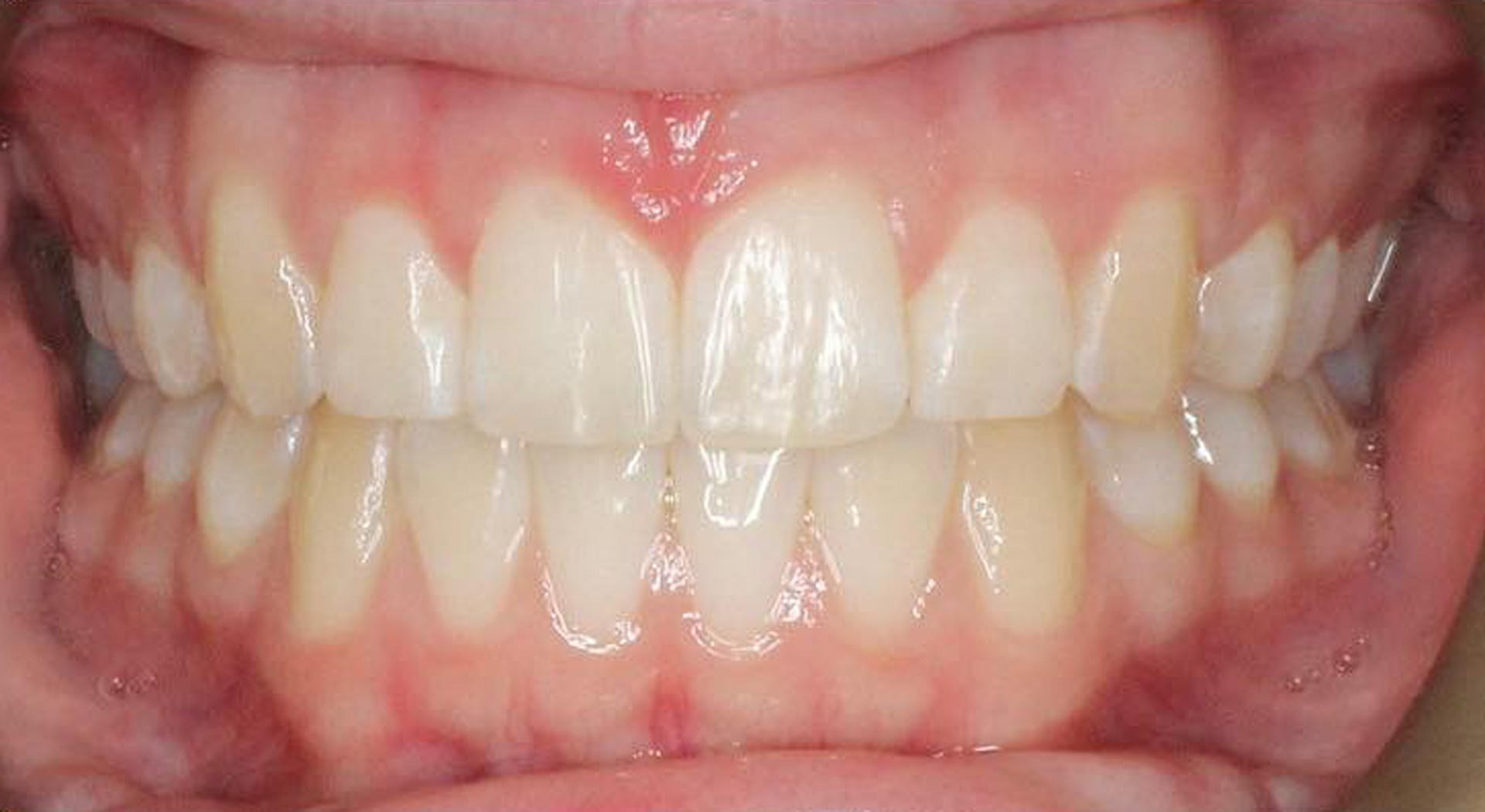
With only upper braces this patient finished her treatment in less than 16 months and loves her smile.

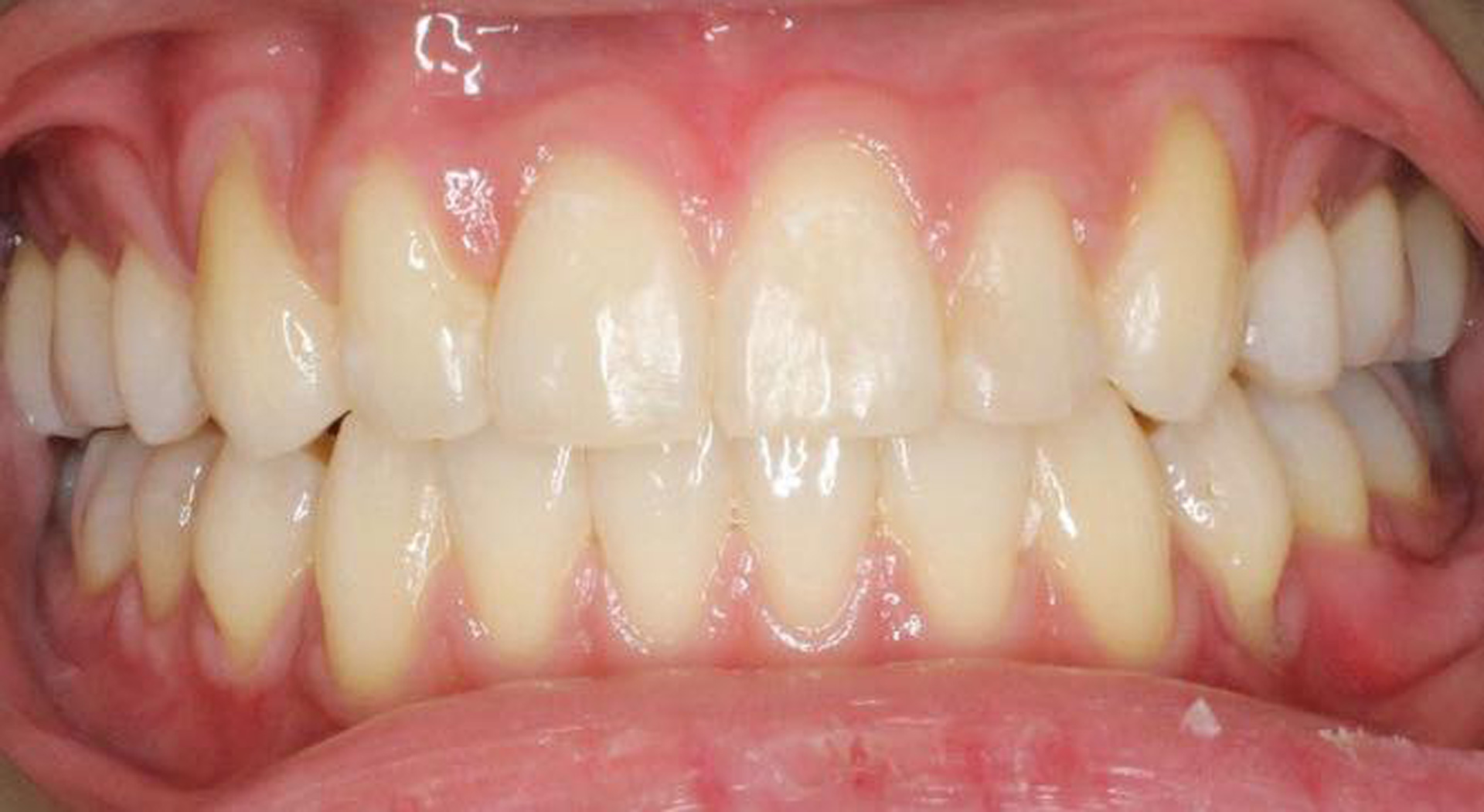
Sometimes permanent teeth need to be removed to get the optimal result. We are so happy that this patient trusted our office with his amazing smile journey.